
Health and Safety Guidelines for Dry Ice Handling in Pakistan
Essential safety rules, cryogenic hazards, protective gear, ventilation requirements, vehicle transport, and safe disposal procedures for handling solid CO₂ in commercial, laboratory, and domestic environments across Pakistan.
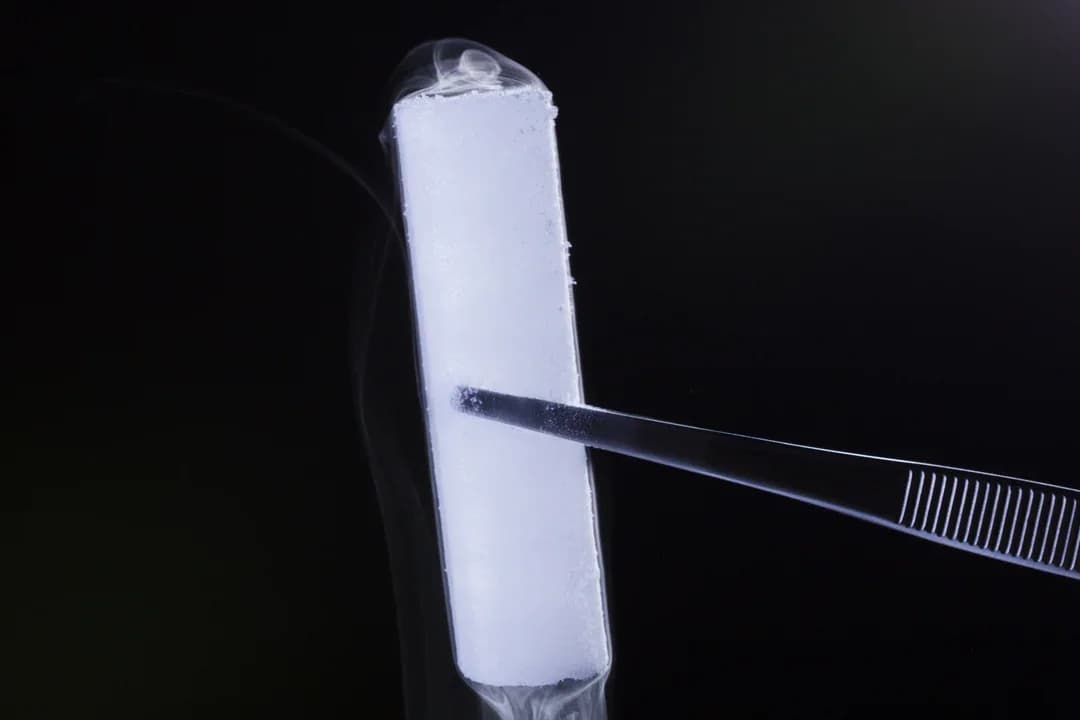
1. Understanding Dry Ice Hazards
Solid carbon dioxide (dry ice) sublimates directly from solid to gas at −78.5°C (−109.3°F) under atmospheric pressure. Understanding its three primary physical hazards is essential for safe operation:
Cryogenic Thermal Burns
Direct skin contact with solid CO₂ causes rapid tissue freezing and severe frostbite burns within seconds.
CO₂ Gas Asphyxiation
As dry ice sublimates, it expands over 800 times into odorless CO₂ gas, which can displace oxygen in unventilated rooms.
Pressure Explosion
Sealing dry ice inside airtight containers creates massive pressure accumulation, causing rigid vessels to rupture violently.
2. Storage & Ventilation Guidance
Store dry ice in thick insulated Expanded Polystyrene (EPS) cooler boxes or insulated poly-chests designed to allow gas sublimation to vent safely.
- Ventilation: Always keep storage containers in well-ventilated areas, open warehouses, or air-circulated rooms.
- Do Not Store in Household Freezers: Standard freezers operate at ~−18°C and are not cold enough to stop sublimation. Released gas may damage freezer seals or thermostats.
- Never Use Airtight Vessels: Ensure container lids allow expanding carbon dioxide gas to escape continuously.
3. Vehicle Transportation Safety
When transporting dry ice in cars or delivery vans across Karachi or regional routes:
- Place insulated dry ice boxes in separate cargo compartments or trunks whenever possible.
- Keep vehicle fresh-air vents open and windows slightly cracked to maintain continuous air exchange.
- Never leave dry ice in an enclosed, unventilated parked vehicle under direct sunlight.
4. Safe Disposal Instructions
To dispose of unused dry ice pellets or blocks safely:
✓ Place remaining dry ice in a well-ventilated outdoor area or open balcony out of reach of children and animals.
✓ Allow the dry ice to sublimate naturally into clean carbon dioxide gas.
❌ NEVER dump dry ice into sinks, toilet bowls, garbage disposals, or domestic trash bins, as extreme cold can crack ceramic, PVC plumbing, and tile work.
Frequently Asked Safety Questions (FAQs)
Q1.Can I touch dry ice with bare hands?
No. Dry ice is extremely cold (−78.5°C / −109.3°F). Direct skin contact can cause severe cryogenic frostbite burns within seconds. Always wear thick insulated cryogenic gloves or use tongs when handling dry ice.
Q2.Can dry ice be stored in an airtight container or glass jar?
NEVER. As dry ice sublimates, it expands into carbon dioxide gas at over 800 times its solid volume. Sealing dry ice in an airtight glass jar, metal canister, or rigid container creates extreme pressure build-up that will cause the container to burst dangerously.
Q3.Why is ventilation so important when using dry ice?
Sublimating dry ice releases carbon dioxide (CO₂) gas, which is heavier than air and displaces oxygen in confined or poorly ventilated spaces. Always handle and store dry ice in well-ventilated rooms or open areas.
Q4.Can I store dry ice in my household freezer?
We do not recommend storing dry ice in a standard household freezer. Household freezers only cool to around −18°C, which is far warmer than dry ice (−78.5°C). The dry ice will continue to sublimate rapidly, and the released CO₂ gas may trigger freezer thermostat issues or door pressure seals. Use a thick insulated EPS cooler box instead.
Q5.How should dry ice be transported safely in a vehicle?
Transport dry ice in an insulated cooler box placed in the trunk or rear cargo area. Keep vehicle windows slightly opened to maintain continuous fresh air circulation. Never leave dry ice in a closed, unventilated parked car.
Q6.Is dry ice safe around food and beverages?
Dry ice is ideal for cooling pre-packaged frozen food and meat inside insulated shipping boxes. However, dry ice must NEVER be ingested or swallowed, and loose pieces should not be placed directly into drinks served for immediate consumption.
Q7.How should unused dry ice be disposed of safely?
Allow remaining dry ice to sublimate naturally in a well-ventilated outdoor location or open area away from children and pets. Do not throw dry ice down sinks, toilets, or trash cans, as extreme cold can crack plumbing and tiles.
Q8.Where can I calculate how much dry ice I need for shipping?
Use our interactive Dry Ice Quantity Calculator at dryice.pk/dry-ice-calculator/ to estimate required kg based on your cooling duration and insulated box quality.